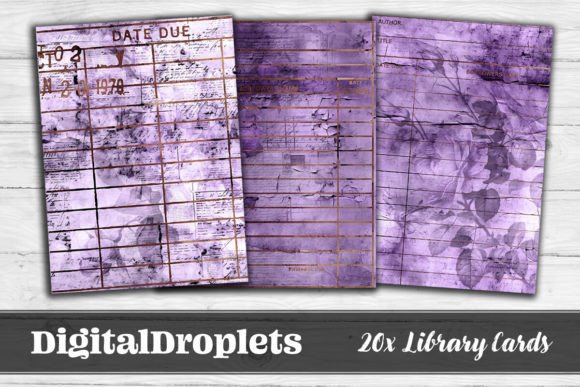
Big Floral Library Cards Vol.11: A Design Asset Review
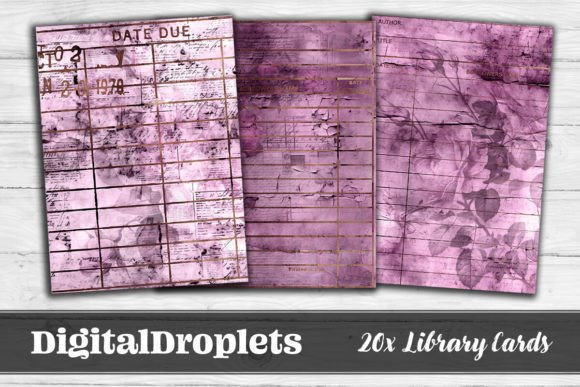
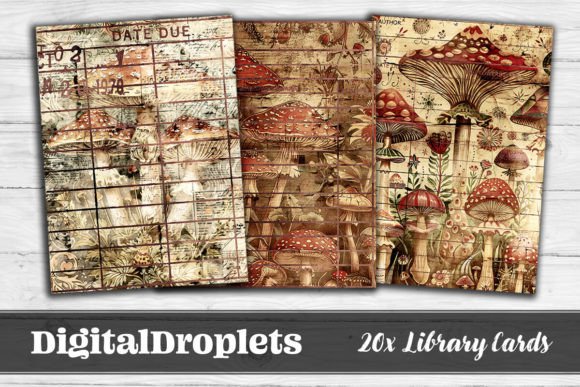
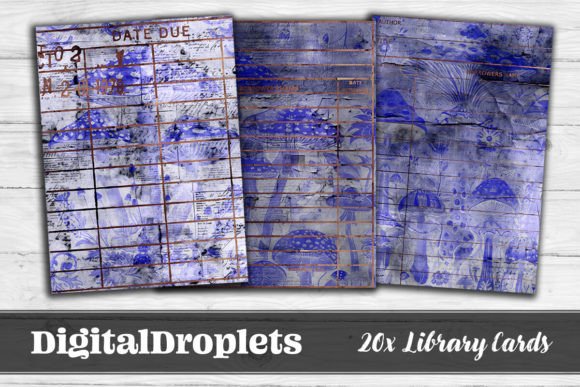
In the world of graphic design, the difference between a project that feels generic and one that feels truly bespoke often lies in the details. Imagine a client asking for a vintage-themed brand identity or a whimsical editorial layout; the search for the perfect texture or overlay can consume hours. This is where Big Floral Library Cards Vol.11 enters the conversation, offering a curated set of 20 high-resolution PNG files that blend nostalgic library card aesthetics with intricate floral patterns. It is a specialized tool designed to add instant character and depth to creative projects.
The Power of Texture in Modern Visual Design
Modern design trends frequently oscillate between minimalism and maximalism, but a constant need remains for visual hierarchy and authenticity. Flat, digital screens often lack the tactile quality that resonates with human experience. By incorporating assets like the Big Floral Library Cards Vol.11, designers can bridge that gap. These assets provide a "lived-in" feel that raw digital elements cannot replicate. The overlay of organic floral motifs on structured library cards creates a compelling contrast, making them ideal for projects that require a balance between structure and nature.
Practical Applications for Creatives
The versatility of this collection extends far beyond simple scrapbooking. For professionals in branding and digital marketing, these elements can serve as powerful storytelling devices. Consider how a texture can influence the perception of a brand; a library card suggests knowledge, history, and trust, while the florals imply growth and beauty. This combination is particularly effective for niche markets.
Here are several ways to integrate these assets into your design workflow:
- Social Media Graphics: Use the cards as backgrounds for quotes or promotional text to stop the scroll and increase engagement.
- Web Design & UI: Incorporate them as subtle background textures for landing pages targeting lifestyle, education, or artisanal markets.
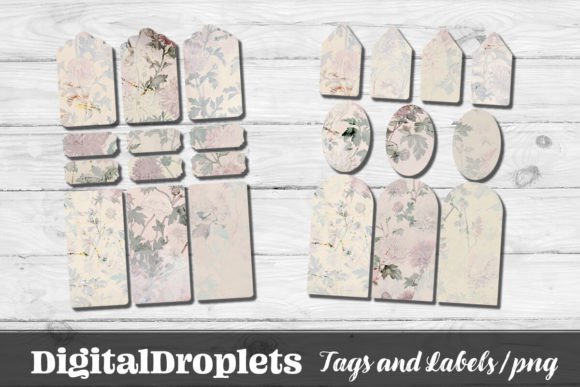
- Packaging Design: Print them as hang-tags or inserts for products like candles, stationery, or botanicals to elevate the unboxing experience.
- Editorial Layouts: Break up text-heavy pages in magazines or lookbooks by using these cards as visual anchors or pull-quote containers.
- Junk Journals & Print Design: They are perfect for physical collage artists looking for high-resolution elements that print cleanly at 300dpi.
Integrating Assets into a Brand System
When utilizing pre-made assets, maintaining consistency is paramount. To ensure the Big Floral Library Cards Vol.11 aligns with your existing color palette and typography, consider adjusting the opacity or applying color overlays in your editing software. For instance, if a brand uses cool tones, a duotone effect applied to the library cards can make them feel native to the brand system rather than an afterthought. This approach respects the principles of UI/UX design, ensuring that decorative elements do not compromise readability or user experience.
Evaluating Quality and Scalability
One of the critical factors in selecting creative assets is file quality. A common pitfall in design projects is using low-resolution textures that pixelate upon scaling. The included 300dpi PNG files ensure that whether you are working on a massive billboard or a small business card, the detail remains sharp. This scalability is essential for professional presentation. Furthermore, the PNG format allows for transparency, meaning these cards can be layered over complex backgrounds or photos without the hassle of removing white boxes, saving valuable time in the design workflow.
Ultimately, the goal of any visual communication is to evoke an emotion. Whether you are designing a logo, curating an advertising campaign, or assembling a personal photo album, the materials you choose tell a story. Thoughtful selection of high-quality, thematic elements like the Big Floral Library Cards Vol.11 demonstrates an attention to detail that elevates the final product from merely functional to genuinely memorable. By leveraging these resources, creators can enhance their visual storytelling and deliver designs that resonate deeply with their intended audience.